

Motivational Interviewing in the Focus of Professional Training
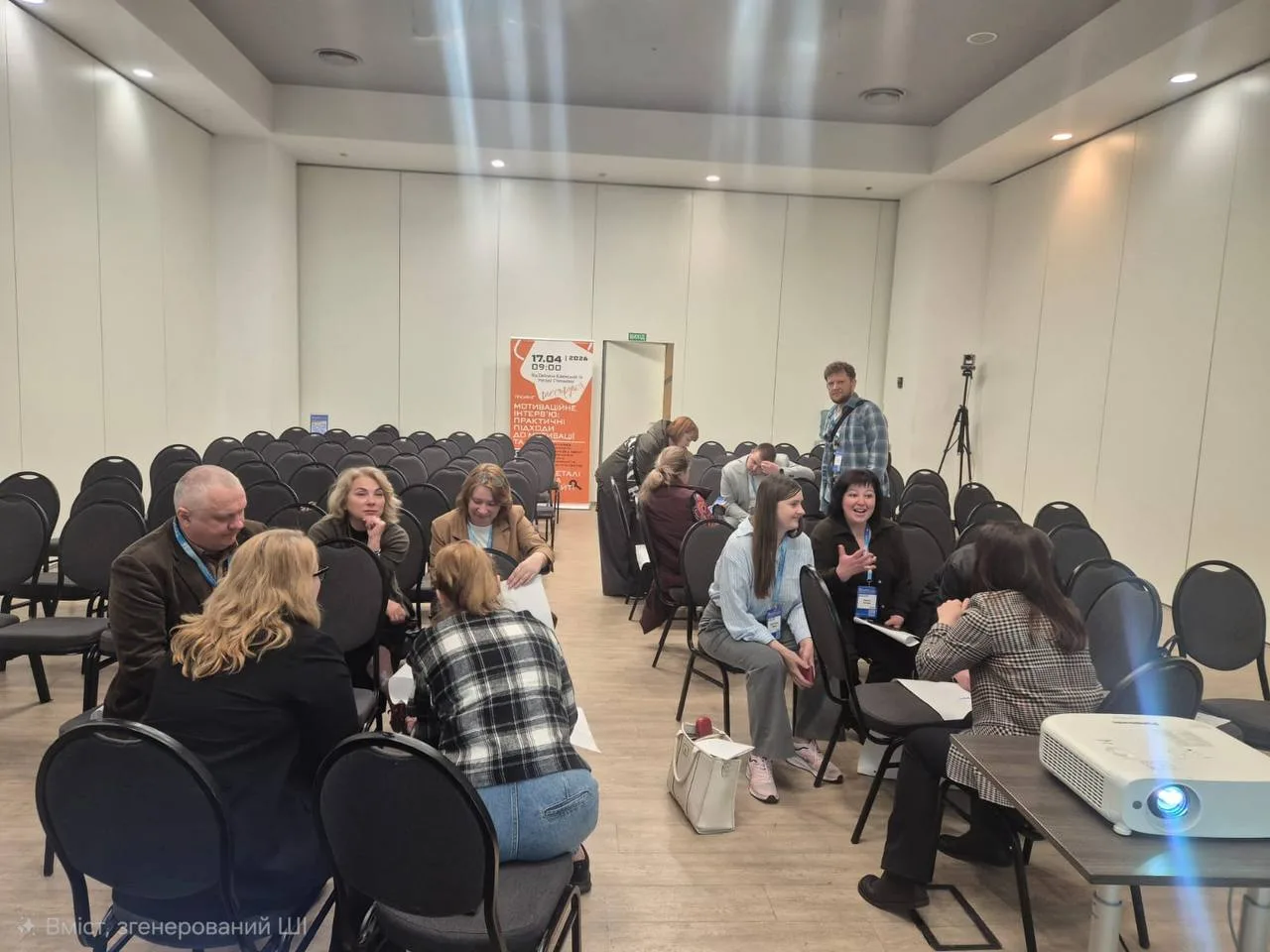
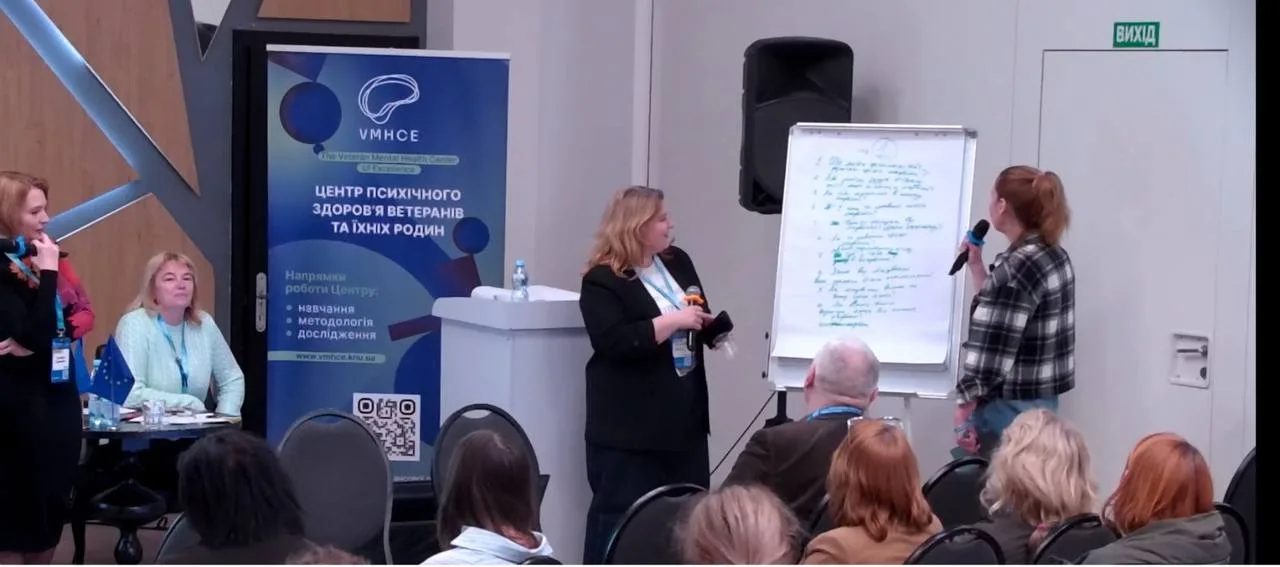
On April 17, 2026, within the framework of the XI Annual Conference of the Association of Psychiatrists of Ukraine with international participation, titled “Mental Health in Ukraine: Management in Times of War, Planning for Peace”, a one-day intensive training session, “Motivational Interviewing: Practical Approaches to Motivation and Change”, was held.
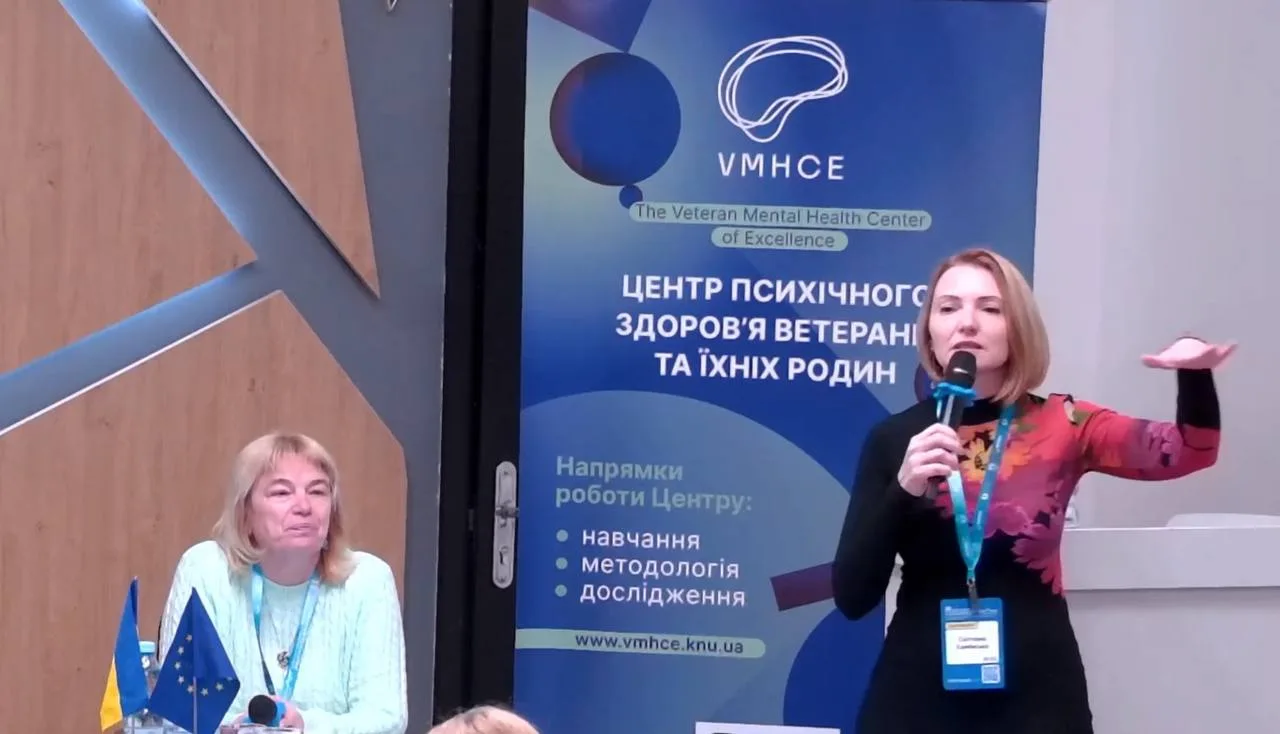
The training was conducted by researchers from the Institute of Psychiatry of Taras Shevchenko National University of Kyiv:
- Svitlana Kaminska, PhD in Psychology, Research Associate at The Veteran Mental Health Center of Excellence, Head of the Educational Direction;
- Nataliia Stepanova, PhD in Psychology, Leading Specialist at the Institute of Psychiatry.
During the training, participants were introduced to motivational interviewing as an evidence-based counseling method aimed at strengthening an individual’s intrinsic motivation for change, increasing adherence to treatment, rehabilitation, and recovery.
The training program covered and practically explored a number of key topics, including:
- the “spirit” of motivational interviewing: partnership, acceptance, compassion, and activation of the client’s resources;
- the four processes of motivational interviewing: engagement (building rapport), focusing, evoking motivation, and planning change;
- working with ambivalence and the “status quo”: how to professionally respond to resistance and differing perceptions of the problem;
- practical development of interaction micro-skills using the OARS framework: open-ended questions, affirmations, reflections, and summaries.
Special attention was devoted to the practical component, where participants had the opportunity to apply their newly acquired knowledge to real-life cases by modeling complex counseling situations involving individuals with traumatic experiences and addictive behaviors.
In wartime conditions, when mental health professionals work with high levels of tension, resistance, distrust, and clients’ internal uncertainty, proficiency in motivational interviewing techniques acquires particular practical value. This approach helps build a therapeutic alliance without pressure or confrontation, reduces the risk of falling into the “expert trap,” supports professional resilience, and increases the effectiveness of care.
The application of motivational interviewing is especially relevant in work with veterans, military personnel, and civilians who have experienced traumatic events, as in such cases sensitive, partnership-based, and evidence-informed counseling is a crucial condition for recovery, acceptance of support, and gradual movement toward change.